What Exactly Is Anti-Reflux Surgery?
The Connection Between GERD and Surgical Treatment
Living with chronic acid reflux is exhausting. The constant burning, the disrupted sleep, the meals you avoid just to escape the discomfort it adds up. For millions of people, GERD (Gastroesophageal Reflux Disease) is not just an occasional inconvenience but a daily battle that medications can only partially fight.
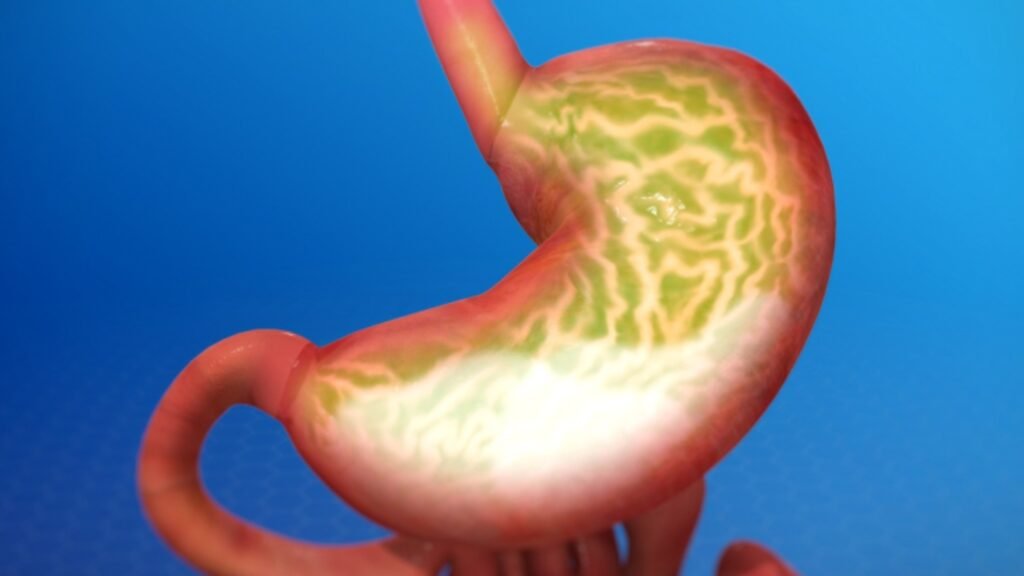
Anti-reflux surgery is a proven, long-term solution designed to fix the root cause of acid reflux not just mask its symptoms. Unlike antacids or proton pump inhibitors that suppress acid temporarily, surgery physically restores the barrier between your stomach and esophagus, giving your digestive system a genuine reset.
Who Actually Needs Anti-Reflux Surgery?
When Lifestyle Changes and Medications Are No Longer Enough
Not everyone with GERD needs surgery. For many, dietary adjustments, weight management, and medications keep symptoms under control. But for a significant number of patients, that control slowly slips away. Medications stop delivering the same relief. Symptoms return stronger. Quality of life takes a hit.
If you find yourself increasing your medication dose, experiencing side effects from long-term drug use, or simply not getting better your body may be telling you it’s time for a more permanent solution.
Red Flag Signs That Point Toward Gastro Surgery
Certain symptoms signal that GERD has progressed beyond what medications can manage:
- Persistent heartburn despite regular medication
- Regurgitation that affects sleep and daily routine
- Difficulty or pain while swallowing
- Chronic hoarseness, cough, or throat irritation caused by acid
- Diagnosed hiatal hernia alongside reflux symptoms
- Early signs of Barrett’s Esophagus on endoscopy
If any of these sound familiar, a consultation with a gastro surgery specialist is not just recommended it’s necessary.
Treatment Options:
Fundoplication – The Gold Standard in Anti-Reflux Surgery
When it comes to surgically treating GERD, Fundoplication remains the most trusted and widely performed procedure globally. The concept is straightforward the upper portion of the stomach is wrapped around the lower esophagus to reinforce the valve that prevents acid from flowing back up. The result is a stronger, more reliable barrier that works naturally with your body.
What makes Fundoplication stand out is its track record. Decades of clinical outcomes show high success rates, significant symptom relief, and improved quality of life for patients who were once dependent on daily medication.
Nissen Fundoplication- Full Wrap, Full Relief
The Nissen Fundoplication is the complete version of this procedure a 360-degree wrap of the stomach around the esophagus. It is particularly effective for patients with severe GERD or significant valve weakness. The full wrap creates a robust anti-reflux barrier, making it one of the most effective long-term solutions available in gastro surgery today.
Most Nissen Fundoplication procedures are now performed laparoscopically meaning smaller incisions, less post-operative pain, and a noticeably faster recovery compared to traditional open surgery.
Toupet Fundoplication – Partial Wrap for the Right Candidates
Not every patient is the right candidate for a full wrap. For individuals with certain esophageal motility issues where the esophagus doesn’t contract as strongly as it should a Toupet Fundoplication offers a gentler alternative. This procedure involves a partial 270-degree wrap, reducing reflux effectively while lowering the risk of post-surgical swallowing difficulties.
Choosing between Nissen and Toupet is not a matter of one being better than the other it is about matching the right procedure to the right patient.
How Do Surgeons Decide Which Procedure Is Right for You?
Your Anatomy, Your Symptoms, Your Surgery
Anti-reflux surgery is never a one-size-fits-all decision. Before recommending any procedure, a thorough evaluation is essential including endoscopy, manometry to assess esophageal function, and pH monitoring to measure acid exposure levels.
This diagnostic process ensures that the surgical approach chosen is tailored specifically to your anatomy and symptom pattern. A surgeon experienced in gastro surgery will factor in your hiatal hernia size, esophageal motility, symptom severity, and overall health before arriving at a recommendation.
Life After Anti-Reflux Surgery
Recovery, Results & What Patients Actually Experience
One of the most common questions patients ask is – what happens after surgery? The answer, for most, is relief they haven’t felt in years.
With minimally invasive techniques, most patients are discharged within one to two days. A soft diet is recommended initially, gradually transitioning to normal eating over a few weeks. Mild bloating or difficulty swallowing can occur temporarily as the body adjusts but these typically resolve on their own.
Long-term outcomes are encouraging. The majority of patients report a dramatic reduction in reflux symptoms, reduced or eliminated dependence on medication, and a meaningful improvement in their overall quality of life.
Why the Surgeon You Choose Makes All the Difference.
Anti-reflux surgery delivers its best results in the hands of a surgeon who understands not just the procedure but the patient behind it. Dr. Vishal C Soni is a highly experienced gastro surgery specialist with a focused approach to treating complex digestive disorders including GERD.
From accurate pre-surgical diagnosis to performing Nissen and Toupet Fundoplication with laparoscopic precision, Dr. Soni’s practice is built on one principle lasting relief through the right treatment, done right.
If medications have stopped working and GERD is still running your life, it may be time to explore a permanent solution. A consultation could be the first step toward genuinely feeling better.