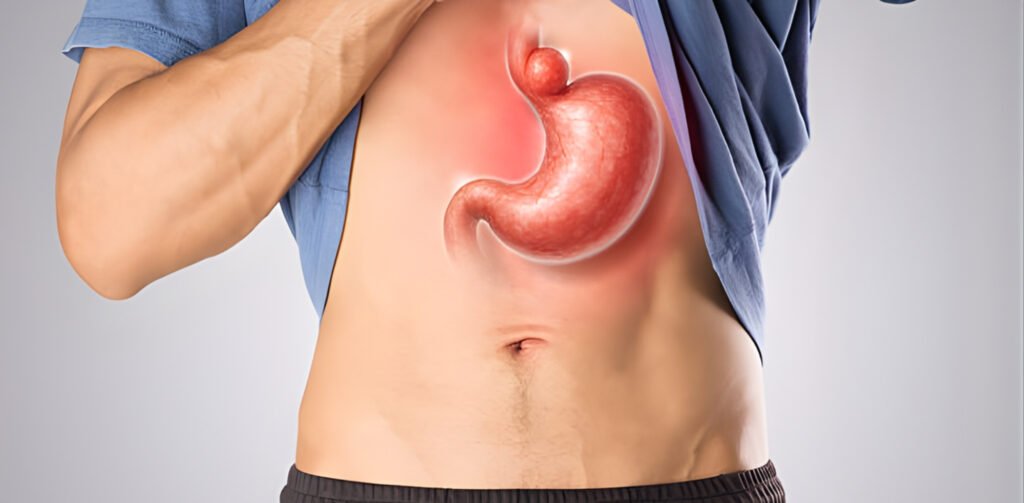
What is a Hiatus Hernia?
A hiatus hernia occurs when a part of the stomach pushes upward through the diaphragm into the chest cavity. This can interfere with normal digestion and often leads to symptoms like acid reflux, heartburn, and discomfort after meals. While some cases remain mild, others may gradually worsen and begin to affect daily life.
With advancements in medical science, patients today have access to more precise and less invasive treatment options. In select cases where surgery is required, robotic-assisted techniques are being used to enhance accuracy and improve recovery outcomes. Patients seeking specialized care often consult experts like Dr. Vishal Soni, widely regarded as the best hernia surgeon in India, known for his experience in managing complex hernia conditions with modern approaches.
How a Hiatus Hernia Develops in the Body
The diaphragm is a muscle that separates the chest from the abdomen and helps in breathing. A small opening in the diaphragm, called the hiatus, allows the esophagus to pass through and connect to the stomach. When this opening becomes weak or enlarged, part of the stomach can move upward into the chest area, resulting in a hiatus hernia.
This condition may develop gradually due to increased pressure in the abdomen or weakening of the diaphragm muscles over time.
Types of Hiatus Hernia Explained
There are mainly two types of hiatus hernia:
● Sliding Hiatus Hernia: The most common type, where the stomach and lower esophagus slide up into the chest.
● Paraesophageal Hernia: A less common but more serious type where part of the stomach pushes beside the esophagus and may lead to complications.
Understanding the type of hernia is important for determining the most appropriate treatment.
Common Symptoms of Hiatus Hernia
Symptoms of a hiatus hernia can vary from mild to severe depending on its size and impact on surrounding structures.
Early Warning Signs You Should Not Ignore
● Frequent heartburn, especially after meals or when lying down
● Acid reflux, causing a sour taste in the mouth
● Chest discomfort or burning sensation
● Bloating or feeling full quickly
When Symptoms Start Affecting Daily Life
As the condition progresses, patients may experience:
● Difficulty swallowing or food getting stuck
● Chronic cough or throat irritation
● Regurgitation of food or acid
● Sleep disturbances due to reflux symptoms
If these symptoms persist, medical evaluation becomes important.
Causes and Risk Factors of Hiatus Hernia
Several factors can contribute to the development of a hiatus hernia.
Lifestyle and Medical Factors That Increase Risk
● Obesity, which increases pressure on the abdomen
● Chronic coughing or straining
● Heavy lifting habits
● Pregnancy, due to increased abdominal pressure
Who is More Likely to Develop a Hiatus Hernia?
● Individuals over the age of 50
● People with a history of digestive disorders
● Those with weakened diaphragm muscles
● Patients with a family history of hernia
Recognizing these risk factors can help in early diagnosis and management.
Diagnosis and Treatment Options
Timely diagnosis plays a crucial role in managing hiatus hernia effectively.
How Hiatus Hernia is Diagnosed
Doctors may recommend tests such as:
● Endoscopy, to examine the esophagus and stomach
● Barium swallow X-ray, to visualize the hernia
● Esophageal manometry, to assess muscle function
From Medications to Advanced Surgical Treatments
Treatment depends on the severity of symptoms:
● Lifestyle modifications, such as dietary changes and weight management
● Medications, to reduce acid production and relieve symptoms
● Surgical repair, in cases where symptoms are severe or complications arise
Role of Advanced Techniques in Hernia Treatment
Modern surgical advancements have significantly improved outcomes for hernia patients.
Benefits of Minimally Invasive and Robotic Approaches
Minimally invasive procedures, including robotic surgery, allow surgeons to perform hernia repair with greater precision. This approach involves smaller incisions, reduced pain, and quicker recovery compared to traditional open surgery.
Expert Hernia Care in India
Choosing the right specialist is essential for successful treatment and long-term relief.
Specialized Treatment by Dr. Vishal Soni
Dr. Vishal Soni is known for his expertise in treating a wide range of hernia conditions using advanced techniques. His approach focuses on accurate diagnosis, personalized treatment plans, and the use of modern surgical methods to ensure the best possible outcomes for patients.
With timely care and the right treatment approach, patients with hiatus hernia can achieve significant symptom relief and improved quality of life.