Incisional Hernia: Causes, Symptoms, and Advanced Treatment Options
What is an Incisional Hernia?
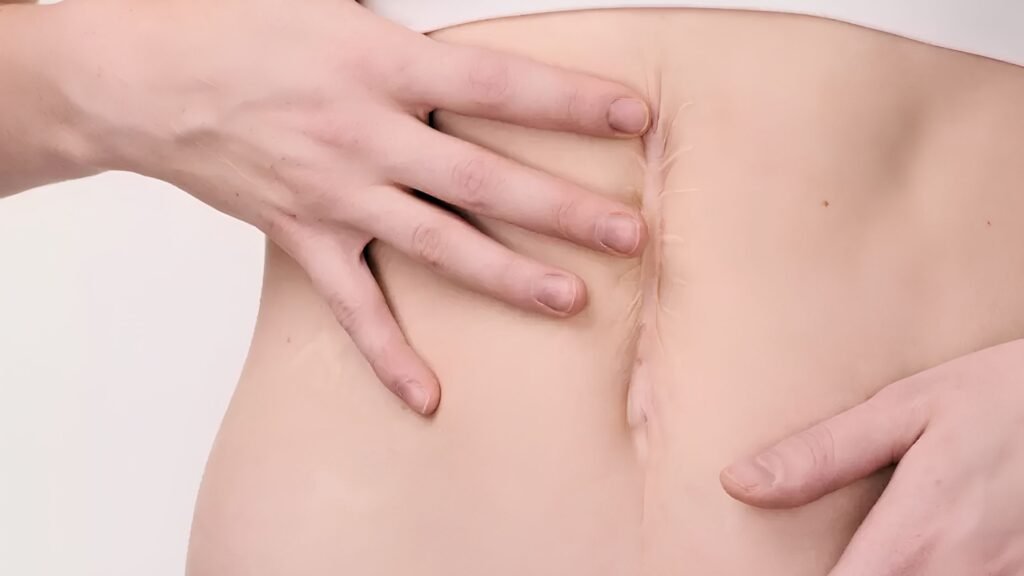
An incisional hernia develops when tissue or part of an organ pushes through a weakened area in the abdominal wall near a previous surgical incision. It may appear months or even years after abdominal surgery, particularly when the muscles around the incision fail to heal completely. In the early stages, some patients may notice only a small bulge or mild discomfort, but over time the hernia can increase in size and begin affecting routine activities.
Factors such as obesity, infection after surgery, smoking, heavy lifting, or repeated strain on the abdominal muscles can increase the risk of developing this condition. Timely medical evaluation is important because untreated incisional hernias may gradually worsen and lead to complications.
Specialists like Dr. Vishal C Soni focus on comprehensive hernia management using modern surgical approaches tailored to the patient’s condition and overall health.
How an Incisional Hernia Develops After Surgery
After abdominal surgery, the incision site requires proper healing to restore muscle strength. If the tissue remains weak or excessive pressure is placed on the area during recovery, an incisional hernia can develop.
Common Risk Factors That Increase the Chances of Hernia Formation
- Obesity or sudden weight gain
- Infection at the surgical site
- Smoking and delayed healing
- Heavy lifting after surgery
- Chronic coughing or constipation
- Multiple abdominal surgeries
Understanding these factors can help patients reduce the chances of hernia formation after surgery.
Signs and Symptoms of Incisional Hernia
Recognizing symptoms early allows patients to seek timely treatment and avoid complications.
Early Symptoms Patients Should Not Ignore
- Bulging or swelling near a previous surgical scar
- Pain or discomfort while standing, coughing, or lifting
- Feeling of heaviness or pressure in the abdomen
- Gradual enlargement of the swelling over time
How Incisional Hernias Affect Daily Activities and Comfort
As the hernia grows, it may interfere with movement, exercise, work, and overall comfort. Larger hernias can sometimes cause bowel-related complications if left untreated.
Diagnosis and Evaluation of Incisional Hernia
Accurate diagnosis is essential for selecting the most effective treatment plan.
Importance of Early Medical Assessment
Early medical evaluation helps determine the size, severity, and complexity of the hernia before complications develop.
Clinical Examination and Imaging for Accurate Diagnosis
Doctors may recommend physical examination, ultrasound, or CT scans to evaluate the abdominal wall and surrounding tissues in detail.
Treatment Options for Incisional Hernia
Treatment depends on the size of the hernia, symptoms, previous surgeries, and the patient’s overall health condition.
Open Hernia Surgery and Minimally Invasive Techniques Like Laparoscopic Repair
Traditional hernia surgery may be recommended for large or complex cases, while minimally invasive techniques like laparoscopic repair are commonly used for suitable patients because they involve smaller incisions, less pain, and quicker recovery.
Role of Robotic Hernia Surgery in Complex Hernia Cases
In advanced or recurrent cases, robotic hernia surgery offers improved precision and enhanced visualization during the procedure. This modern technique helps surgeons repair weakened tissues more accurately while minimizing trauma to surrounding structures.
Benefits of Advanced Hernia Surgery Techniques
Modern surgical advancements have improved both patient safety and recovery outcomes.
Greater Precision, Faster Recovery, and Reduced Pain
Advanced surgical techniques can provide:
- Smaller incisions and minimal scarring
- Reduced post-operative discomfort
- Faster return to normal activities
- Better surgical accuracy and control
Lower Risk of Complications and Better Long-Term Outcomes
Modern repair methods strengthen the abdominal wall more effectively and help reduce the chances of hernia recurrence over time.
Improving Quality of Life Through Advanced Hernia Care
Dr. Vishal C Soni is known for his expertise in abdominal wall reconstruction and modern hernia treatment approaches. His patient-focused strategy combines accurate diagnosis, advanced surgical planning, and personalized recovery care to achieve safe and long-lasting outcomes.
With timely diagnosis and the right treatment approach, incisional hernias can be managed effectively, helping patients return to a more active and comfortable lifestyle.