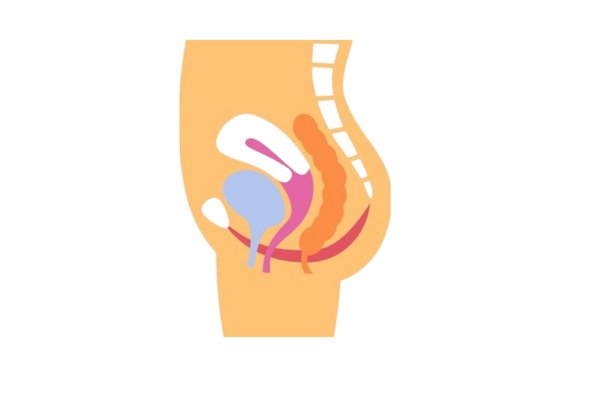

Rectopexy for Rectal Prolapse

Precision Robotics & Minimally Invasive Repair by Dr. Vishal C Soni

Rectal prolapse can deeply affect your quality of life, causing discomfort, bowel control issues, and constant worry during daily routines. At Apollo Hospital, Ahmedabad, Dr. Vishal C. Soni, one of India’s leading robotic gastrointestinal surgeons, offers advanced laparoscopic and robotic rectopexy to restore bowel function safely and permanently.

What Is Rectopexy?

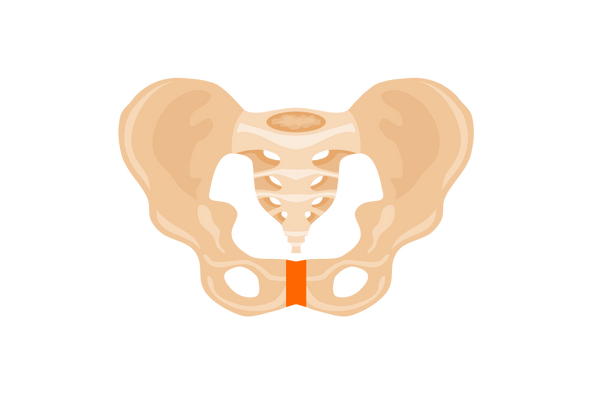
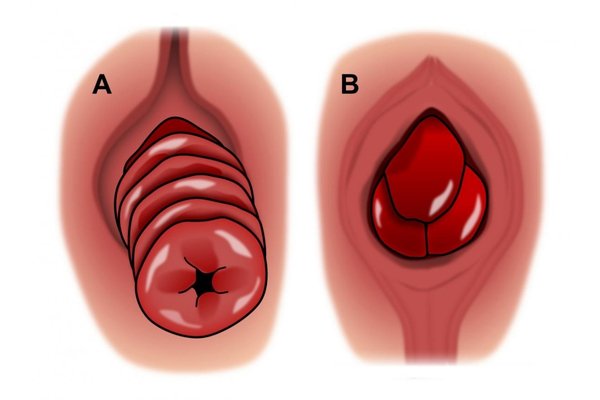
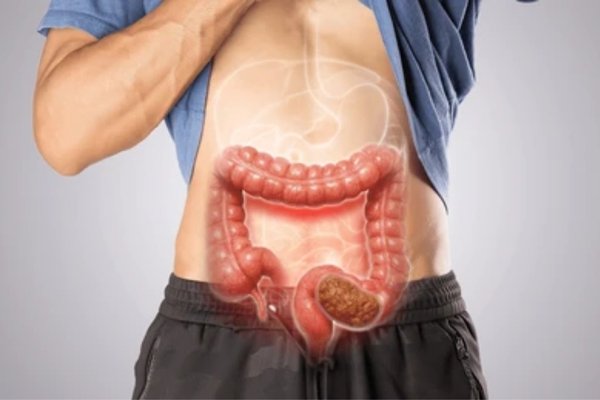
Rectopexy is a minimally invasive surgical procedure used to treat rectal prolapse, a condition in which the rectum slips out of its normal position and may protrude through the anus. The goal of the surgery is to restore the rectum to its correct anatomical alignment, strengthen the pelvic floor support system, improve bowel function and continence, and prevent future recurrence of the prolapse. Depending on the severity of the condition and the strength of the pelvic floor muscles, the rectum is securely fixed using either sutures or mesh reinforcement to ensure long-lasting stability and relief.

Get Insights

When Do You Need Rectopexy?

Rectopexy is recommended when rectal prolapse affects bowel control, causes discomfort, or disrupts your daily life. Early treatment helps prevent worsening symptoms and protects pelvic floor function, ensuring better long-term continence and quality of life.

Visible Protrusion of the Rectum

A noticeable bulge or tissue coming out of the anus indicates that the rectum has slipped and requires surgical correction.

Difficulty Passing Stool

Straining or obstruction during bowel movements means the rectum is not properly supported and may be folded or kinked.

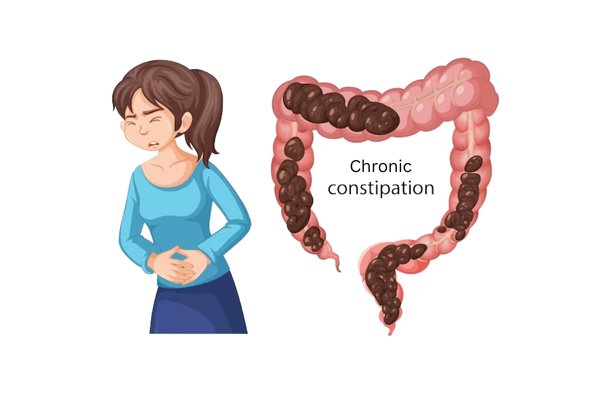
Chronic Constipation

Long-term constipation can both cause and worsen rectal prolapse, leading to persistent discomfort and bowel difficulty.

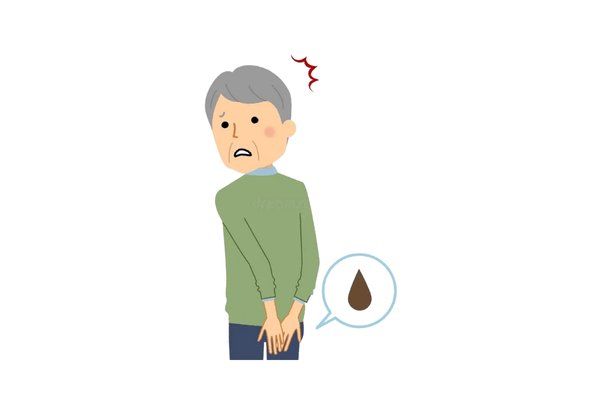
Fecal Incontinence

Leakage of stools or inability to control bowel movements occurs as pelvic floor muscles weaken further with prolapse.

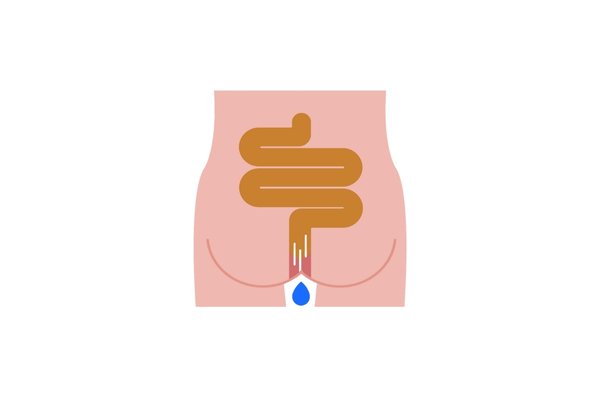
Mucus Discharge or Bleeding

Irritation and friction of exposed rectal tissue can cause mucus leakage, spotting, and recurrent infections.

Feeling of Incomplete Evacuation

Even after passing stools, a constant sensation of leftover stool indicates disrupted rectal alignment and function.

Longstanding Pelvic Floor Weakness

Weak muscle support often due to childbirth, aging, or nerve dysfunction, can progressively worsen prolapse if left untreated.

Types of Rectopexy

Suture Rectopexy

Suture rectopexy involves securely lifting and fixing the rectum to its natural position using permanent stitches, without inserting any foreign material. It is an excellent choice for patients with moderate prolapse, good pelvic tissue quality, or those who wish to avoid mesh. With robotic precision, Dr. Vishal Soni ensures accurate fixation, optimal nerve preservation, and durable long-term outcomes, making this technique particularly suitable for younger individuals aiming for a strong and natural repair.

Mesh Rectopexy

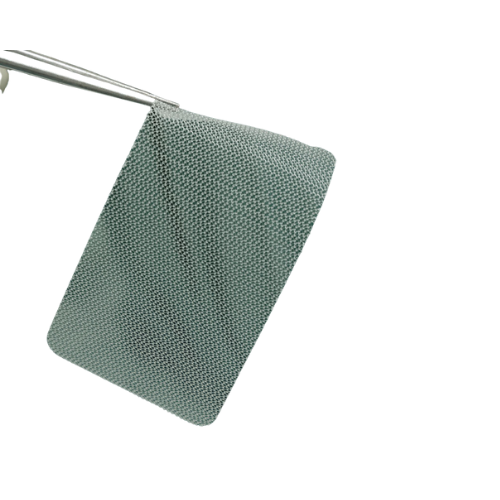
Mesh rectopexy uses a lightweight biological or synthetic mesh to reinforce pelvic support and stabilise the rectum, especially in large, recurrent, or complex prolapse cases. This approach provides a broader area of fixation, improving tissue support and reducing recurrence risk when the pelvic floor is significantly weak. Dr. Soni performs mesh placement with meticulous care to maximise structural strength while preserving bowel function and pelvic nerves for a reliable and lasting repair.

Dr. Soni’s Personalised Decision-Making Approach

Dr. Soni selects the best procedure based on:

  • Severity of the prolapse

  • Bowel function (constipation or obstruction)

  • Pelvic floor muscle strength

  • Age & activity level

  • Previous pelvic surgeries

  • Long-term continence goals

Suture Rectopexy- Younger patients & isolated prolapse
Mesh Rectopexy- Larger, recurrent, or complex prolapse

His treatment plans focus on both anatomical correction and functional improvement, ensuring that each patient receives a repair designed for long-term continence, comfort, and confidence.

Benefits of Robotic Rectopexy

Minimal blood loss

Gentle surgical handling reduces bleeding and speeds healing.

Excellent Nerve Preservation

Critical nerves are protected for better bowel control.
Strong & Durable Fixation

Secure repair helps prevent future prolapse recurrence
Better Continence Outcomes

Improved pelvic support enhances stool control.
Lower Recurrence Rates

Robotic precision offers long-lasting surgical success.

Precision in Deep Pelvis

Advanced tools work safely in tight pelvic spaces.
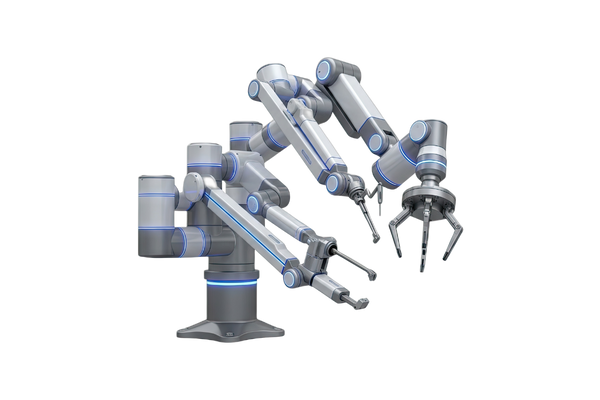
Get Insights

Why Patients Trust Dr. Vishal C. Soni

Choosing the right specialist is crucial when it comes to delicate pelvic and gastrointestinal surgeries. With advanced robotic expertise, a patient-first approach, and consistently successful outcomes, Dr. Vishal C. Soni ensures every patient receives safe, precise, and compassionate care personalized to their needs.

Robotic Precision in Pelvic Surgery

Advanced robotic technology ensures safer surgery, better visibility, and highly accurate repair in delicate pelvic spaces.

Expertise in GI & Pelvic Floor Disorders

Extensive experience in complex abdominal and prolapse surgeries allows comprehensive, long-term solutions for patients.

Personalised & Evidence-Based Care

Treatment plans are personalized to each patient’s anatomy and symptoms, focused on durable and functional outcomes.

Faster, Comfortable Recovery

With minimally invasive techniques, patients experience less pain, fewer complications, and a quicker return to routine life.

Care & Clear Guidance

Patients receive honest communication and continuous support, making them feel confident and well-informed throughout care.

How Robotic Rectopexy Is Performed

1. Minimally Invasive Access

Small keyhole incisions allow safe entry into the pelvic area with minimal tissue trauma.

2. Precise Rectal Mobilisation

The rectum is gently freed while protecting nerves that control bowel continence.

3. Secure Fixation

Sutures or mesh are applied to firmly anchor the rectum back in its normal position.

4. Pelvic Anatomy Restoration

The rectum is aligned correctly to improve bowel function and prevent future prolapse.

5. Early Recovery & Mobilisation

Patients recover quickly and return to routine activities sooner due to reduced discomfort.

Recovery & Long-Term Success

Most patients recover quickly after robotic rectopexy, experiencing less pain, early mobility, and discharge within a few days. As the pelvic support is restored and the rectum regains its normal function, symptoms such as discomfort, leakage, and constipation significantly improve. With precise fixation and preserved nerves, long-term continence outcomes are excellent, and the chances of prolapse recurrence remain very low helping patients return to daily life with confidence and lasting relief.

Book a Consultation

If rectal prolapse is impacting your life, don’t wait for symptoms to worsen. Meet Dr. Vishal C. Soni at Apollo Hospital, Ahmedabad for an expert evaluation and tailored minimally invasive repair.

Contact Details

📍 Address: Apollo Hosital, Plot No, 1A, Ahmedabad -Gandhinagar Rd, GIDC Bhat estate,, Ahmedabad, Gujarat 382428

📍Address: 412, B Wing, Opp Indian Oil Petrol Pump, AWS 3, Drive In Rd, Sushil Nagar Society, Memnagar, Ahmedabad, Gujarat 380054

📍Address: Plot No. 28, Rabindranath Tagore Rd, opp. KPT ground, Ward 7, Gandhidham, Gujarat – 370201

📞 Phone: +91 96999 95557

📧 Email: drvishalsoni@gmail.com

Address

📍Address: Apollo Hospitals Outreach Centre, Shastri Circle, RTDC Hotel Kajri Campus, Udaipur, Rajasthan – 313001

📍Address: Apollo Hospitals Multispeciality Center, Air Force Road, Near SBI Bank, Ratanada, Jodhpur, Rajasthan – 342011