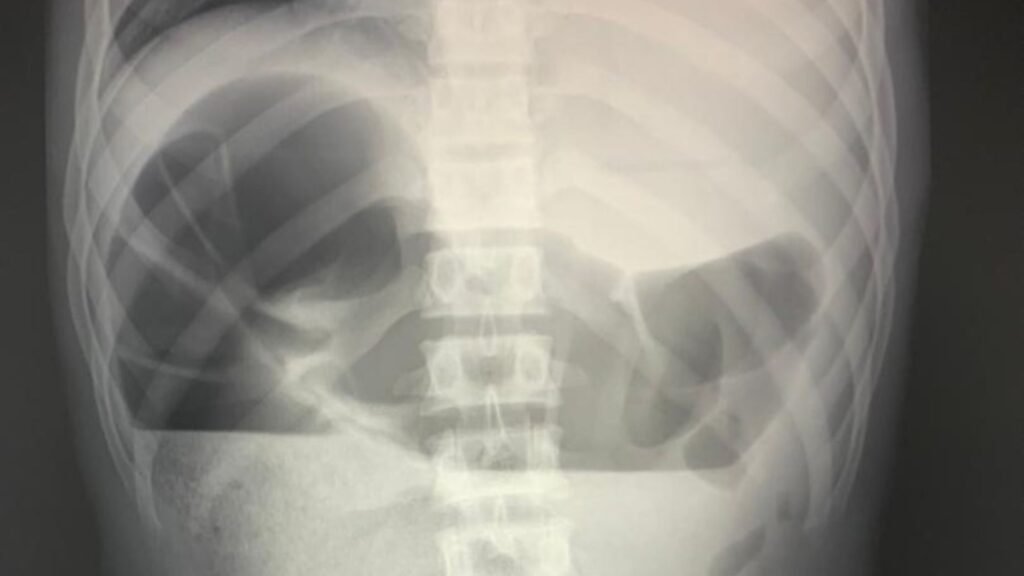
What is a Diaphragmatic Hernia?
A diaphragmatic hernia is a condition in which abdominal organs move into the chest cavity through an abnormal opening or weakness in the diaphragm, the muscle that separates the chest from the abdomen and helps in breathing. Depending on the severity, this condition can affect breathing, digestion, and overall comfort. Some diaphragmatic hernias are present at birth, while others may develop later in life due to injury, increased abdominal pressure, or weakening of the diaphragm over time.
Patients may experience symptoms such as chest discomfort, shortness of breath, acid reflux, abdominal pain, or difficulty swallowing. In some cases, symptoms remain mild for years before becoming more noticeable. Early diagnosis and proper treatment are important to prevent complications and improve quality of life.
Modern advancements in hernia surgery have significantly improved the management of diaphragmatic hernias, especially in complex cases. Specialists like Dr. Vishal Soni focus on personalized treatment approaches that combine surgical expertise with patient-centered care for safer recovery and better long-term outcomes.
How a Diaphragmatic Hernia Affects the Body
The diaphragm plays an important role in breathing. When abdominal organs move upward into the chest cavity, they may compress the lungs or affect digestive function, leading to discomfort and breathing difficulties.
Common Symptoms and Warning Signs
- Chest or upper abdominal pain
- Shortness of breath
- Acid reflux or heartburn
- Difficulty swallowing
- Feeling of fullness after eating
Symptoms can vary depending on the type and severity of the hernia.
Types of Diaphragmatic Hernia
Diaphragmatic hernias can occur in different forms, each requiring proper evaluation and treatment planning.
Hiatal Hernia
A Hiatal Hernia occurs when part of the stomach pushes through the diaphragm into the chest cavity. It is commonly associated with acid reflux, heartburn, and digestive discomfort.
Congenital Diaphragmatic Hernia (CDH)
Congenital Diaphragmatic Hernia (CDH) is a birth defect in which the diaphragm does not develop properly during pregnancy. This condition may affect lung development and often requires specialized surgical care early in life.
Acquired Diaphragmatic Hernia
An Acquired Diaphragmatic Hernia develops later in life due to trauma, surgery, or increased abdominal pressure caused by factors such as obesity or chronic coughing.
Causes and Risk Factors of Diaphragmatic Hernia
Several factors can contribute to diaphragmatic hernia formation.
Congenital and Acquired Causes Explained
Some patients are born with a defect in the diaphragm, while others develop weakness due to injury, aging, or previous surgeries.
Factors That Increase the Risk of Hernia Formation
- Obesity
- Chronic coughing
- Heavy lifting
- Trauma or accidents
- Previous abdominal or chest surgery
Recognizing these factors helps support early diagnosis and prevention.
Diagnosis and Treatment Options
Accurate diagnosis is important for selecting the most effective treatment approach.
Importance of Early Diagnosis and Medical Evaluation
Timely medical assessment helps identify the severity of the hernia and prevents complications involving the lungs or digestive organs.
Hernia Surgery and Advanced Repair Techniques
Treatment may vary depending on the size and type of hernia. In moderate to severe cases, hernia surgery is often recommended to reposition the affected organs and repair the diaphragm.
Role of Robotic Hernia Repair in Complex Cases
Modern surgical technology is improving outcomes in diaphragmatic hernia treatment.
Greater Precision and Better Surgical Control
Robotic hernia repair allows surgeons to perform complex procedures with enhanced visualization and precise instrument control, especially in delicate areas near the diaphragm and chest cavity.
Faster Recovery and Reduced Post-Surgical Discomfort
Patients undergoing minimally invasive procedures often benefit from:
- Smaller incisions
- Reduced post-operative pain
- Shorter hospital stay
- Faster return to normal activities
Restoring Comfort and Breathing Through Advanced Hernia Care
Dr. Vishal Soni is known for his expertise in advanced gastrointestinal and hernia procedures, focusing on accurate diagnosis, personalized treatment planning, and modern surgical techniques. His patient-centered approach aims to provide safe treatment, smoother recovery, and long-term relief for individuals with diaphragmatic hernia conditions.
With proper evaluation and timely treatment, diaphragmatic hernias can be managed effectively, helping patients regain comfort, breathing function, and overall quality of life.